What We Do
The Coalition works across four interconnected pillars: advocacy and lobbying, training and capacity building, legal instrument development, and direct campaigning.
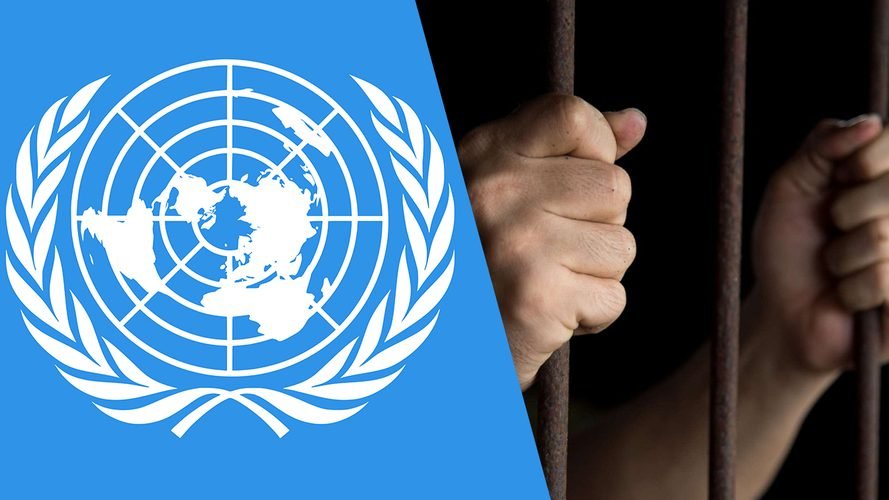
How We Work to End Torture
01
Advocacy & Lobbying
The Coalition engages directly with national parliaments, the United Nations Human Rights Council, and treaty bodies including the Committee Against Torture. We advocate for OPCAT ratification, implementation of CAT Concluding Observations, and the establishment of independent National Preventive Mechanisms in every state.
02
Training Programs
We deliver specialist training for detention monitors, judges, police, and prison officials on international torture prevention standards. Our curricula include the Istanbul Protocol for documenting torture and the Robben Island Guidelines for the African context. Trained monitors are the most effective deterrent against abuse in closed settings.
03
Legal Instruments
The Coalition supports implementation of the Robben Island Guidelines and of the Optional Protocol to the Convention Against Torture (OPCAT). We provide technical assistance to governments establishing National Preventive Mechanisms and monitor their independence and effectiveness.
04
Campaigns & Direct Action
Through media campaigns, direct appeals to governments, and coordination with coalition partners, the Coalition applies public pressure in situations of documented abuse. We coordinate urgent action letters, issue press releases timed to UN session cycles, and support survivors in accessing international remedies.
Know It. Demand It. Defend It.
Know It.
We disseminate the UN Convention Against Torture to governments, institutions, and the public. Knowledge of rights is the foundation of claiming them.
Demand It.
We lobby states to ratify OPCAT, implement CAT recommendations, and establish independent oversight of all places of detention: prisons, immigration centers, psychiatric hospitals, and police lockups.
Defend It.
Where torture occurs, we support survivors, protect defenders, and pursue accountability through domestic courts, regional human rights bodies, and the UN treaty body system.