News & Reports
Reports and analysis on torture prevention, OPCAT ratifications, UN treaty body sessions, and human rights documentation, sourced from OHCHR, Human Rights Watch, Amnesty International, and the Coalition monitoring work.

The Rules Say the Country Must Be Named. Two Courts Said So in 1998 and 1999.
Two provisions of the removal regulations require the immigration judge to identify the alternative countries on the record, and to tell a person who fears one of them that he may apply for protection against being sent there. Courts of appeals said the same in 1998 and 1999. In O.C.G.'s hearing no alternative country was identified, and when he raised Mexico himself he was told it could not happen.
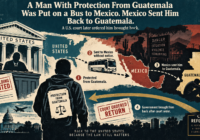
A Man With Protection From Guatemala Was Put on a Bus to Mexico. Mexico Sent Him Back to Guatemala.
An immigration judge found he would more likely than not suffer serious harm in Guatemala. Two days later he was removed to Mexico without notice, and Mexico sent him to Guatemala. A federal judge ordered the government to bring him back, and the court has since recorded that the government did.
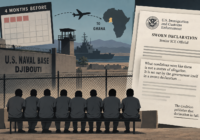
Before Ghana, Djibouti: What ICE’s Own Declaration Says About U.S. Third-Country Removals
Four months before the deportation flights to Ghana, a court order stranded eight men on a United States naval base in Djibouti. What conditions were like there is not a matter of allegation. It is set out by the government itself, in a sworn declaration by a senior ICE official, and the Coalition publishes that declaration in full.